What Every Construction Site Needs Before the Season Starts in 2026

Proven and trusted safety communication strategies + fresh industry trends to keep jobsites safer and more productive.
Build Smart, Build Safe
As the construction season ramps up, teams face familiar safety challenges, as well as new ones shaped by technology, labor shifts, and evolving standards. Everything from scaffold inspections to AI-assisted workflows, how we communicate hazards, expectations, and procedures matters more than ever.
In this post, we pull together our decades of construction guidance experience with the latest construction trends and safety considerations for 2026 to give a practical checklist for kickoff.
1. Refresh & Reinforce Core Safety Messaging
One of the simplest ways to reduce risk is making sure essential safety messages are actually visible where work happens.
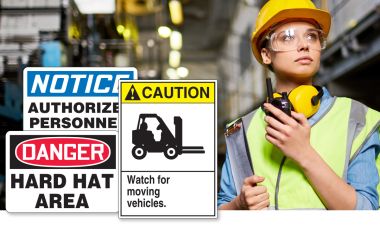
We always highlight the importance of scaffold safety and inspection tags, reminding workers to check load capacities and inspect before use. Similarly, fall protection needs clear, accessible signage as crews access roofs, edges, and elevated platforms.
Action examples:
- Update scaffold inspection tags and fall protection reminders as part of your pre-season walk.
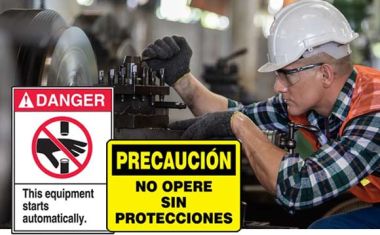
- Add multilingual and symbol-ready signage for high-traffic work zones.
2. Strengthen Trenching & Ladder Safety Communications
Trenching tips and ladder safety reminders remain highly relevant as crews encounter spring-softened ground and vertical access points.
Action step:
- Place OSHA-compliant trench and ladder safety reminders at access points — not just in breakrooms.
- Use durable tags and signs that stand up to weather.
3. Use Recognition Tools to Promote Safe Behavior
Hard hat stickers and personalized safety IDs aren’t just decorative, they reinforce desired behavior and celebrate training achievements on tough job sites.
Action step:
- Launch a “Safety Skills Wall” featuring sticker-earned credentials (e.g., CPR, confined space); visible recognition boosts morale and compliance.
4. Lean Into New Tech Trends — But Communicate Clearly
Industry trends show AI, AR/VR, wearables, and digital workflows gaining traction for safety and communication on the jobsite. This blog from Autodesk highlights how their autonomous equipment assistants and AI-driven insights are emerging. For example, Cat’s voice-activated AI tools aim to make heavy equipment safer and easier to operate.
These innovations can help predict risk, automate reporting, or augment training — but people still need clear, consistent cues on the ground.
Action step:
- Supplement new tech with easy-to-scan QR codes on signs that link to digital work instructions or real-time training modules.
- Provide quick-reference visual charts near complex tasks.
5. Prepare for Workforce Shifts & Labor Challenges
With industry forecasts pointing to continued labor shortages and evolving workforce dynamics in 2026, communication becomes a crew retention and onboarding tool, not just a safety one.
Action step:
- Standardize onboarding signage that brings new or transient workers up to speed fast. Permanent labels, icons, and posted SOPs reduce guesswork.
6. Move Toward Data-Driven Safety Conversations
Emerging safety practices recommend integrating data and sensors into safety planning — from proximity alerts to ergonomic monitoring — so teams can identify patterns rather than just incidents.
Action step:
- Use observational reporting tools — paired with visual reminders — to track near-miss trends and revise signage accordingly.
7. Keep Emergency Plans Front & Center
As projects scale and sites diversify, emergency communication must be instant and intuitive. From muster points to first-aid stations, clarity saves lives.
Action step:
- Update emergency communication boards with clear maps, high-contrast symbols, and weather-proofing so every worker knows where to go and who to call.
Conclusion — Communicate to Mitigate Risk & Build Trust
Clear, consistent communication is so much more than just compliance — it’s culture. It reduces confusion, supports new tech adoption, and protects workers from preventable harm.
Before boots hit dirt in 2026:
- Verify your existing messages still match current tasks
- Add next-generation communication tools
- Layer visual cues with digital resources
- Treat signs and labels as teammates in safety
Checklist — Pre-Season Communication Tasks:
- Scaffold and fall protection signage refreshed
- Ladder and trench safety instructions posted
- Recognition stickers deployed for training achievements
- QR-linked digital instructions implemented
- Onboarding visuals standardized for new workers
- Data-informed safety feedback loops established
- Emergency maps and contact info updated