Why Fall Protection Remains One of the Most Persistent Challenges in Workplace Safety
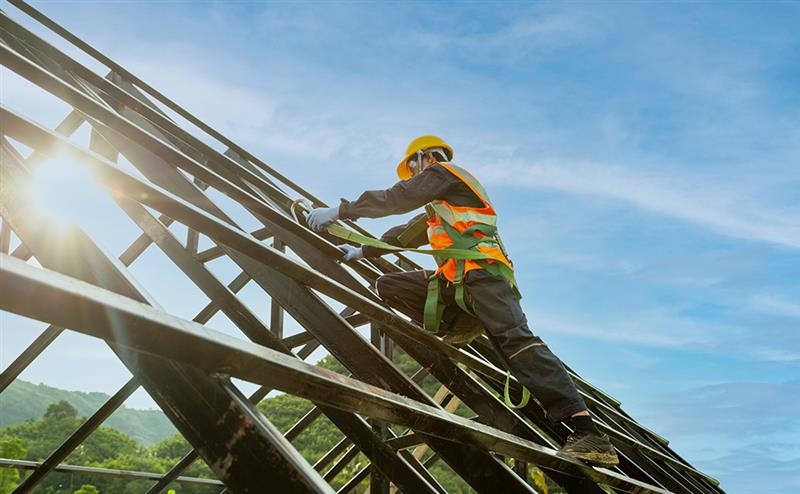
Falls are consistently recognized as the most dangerous occupational hazard, dominating OSHA’s list of top-cited safety violations for 15 consecutive years. This alarming trend demonstrates the persistent complexity of mitigating fall risks, despite advancements in safety standards and technologies. For distributors in the safety industry, as well as the end users in construction, petrochemical, warehousing, and manufacturing, understanding the challenges and investing in the right solutions is critical to preventing injuries, saving lives, and maintaining a culture of safety excellence.
The Stark Reality of Fall Hazards
Falls from elevation account for a significant proportion of workplace injuries and fatalities. In 2022 alone, 81% of all fatal slips, trips, and falls occurred due to falls from height, with construction leading the way: approximately 300 deaths and 20,000 nonfatal injuries annually are recorded in this sector alone. Smaller construction companies (those with fewer than 10 employees) bear a disproportionate burden, with 70% of all fall fatalities.
These statistics underscore an important reality: fall hazards are universal, cumulative, and present one of the most difficult challenges in safety management. But why are falls so difficult to prevent?
The Persistent Complexity of Fall Hazards
Research and systematic reviews point to several interconnected factors that make fall hazards challenging to predict, prevent, and mitigate. Below, we break these down and explore the solutions your organization can implement to tackle them proactively.
1. Intrinsic Risk Factors Make Controls Difficult
Many workers, particularly in physically demanding industries, face intrinsic risk factors such as impaired balance, reduced muscle strength, or visual issues. These factors are often age-related but can affect younger workers as well. Even the most carefully designed fall protection measures may not fully mitigate these risks.
Solutions:
- Conduct individualized risk assessments and provide tailored training.
- Offer ongoing health and mobility screenings for at-risk workers.
- Invest in adaptive safety equipment designed to accommodate diverse physical needs.
2. Environmental Factors Amplify Fall Risks
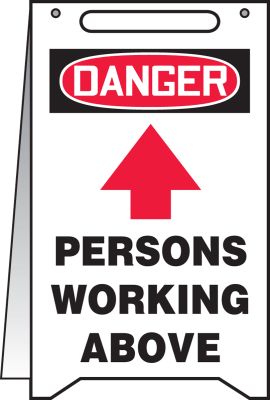
Dynamic worksites—like those in construction or manufacturing—present ever-changing hazards. Missing guardrails, poor lighting, disorganized clutter, and unprotected edges can all rapidly increase the risk of falls.
Solutions:
- Mandate pre-work and ongoing site assessments to identify hazards.
- Implement frequent safety inspections throughout the project lifecycle.
- Utilize engineering controls like self-closing gates, non-slip scaffolding, and guardrail systems.
3. Unsafe Worker Behavior & Weak Oversight Undermine Safety
Almost half (49%) of surveyed workers involved in falls admitted to not using fall protection at the time. Alarmingly, proper use of protective equipment is 71% lower in environments where employers fail to plan adequately for safety.
Solutions:
- Build stronger safety cultures through management-led behavior modeling.
- Use peer-to-peer safety observations to reinforce accountability on-site.
- Enforce disciplined use of PPE through robust training and oversight programs.
4. Underreporting and Confusion Impede Prevention
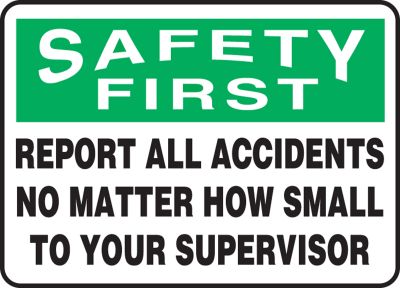
What qualifies as a “fall” is not always clear, and near-misses are often overlooked. This leaves employers without the accurate data needed to address root causes.
Solutions:
- Implement simplified reporting tools that are accessible to all workers.
- Standardize clear definitions of falls and near-misses.
- Regularly audit safety data to ensure completeness and accuracy, closing any gaps in incident tracking.
5. Universal Risk Exposure Means No One Is Exempt
Given enough exposure to elevated work, most workers will eventually experience a fall unless protected. This underscores the need to approach fall protection as a “universal precaution.”
Solutions:
- Require PPE and fall protection controls for anyone at elevation—regardless of experience or perceived competency.
- Expand PPE options to ensure accessibility and comfort for a diverse workforce.
6. The Unpredictability of Falls Limits Certain Interventions
Even with rigorous training programs and active controls, some falls are caused by unpredictable, situational factors that don't lend themselves to simple solutions.
Solutions:
- Use dynamic and layered protection strategies: combine PPE, active site monitoring, and rescue systems.
- Adopt rapid-deployment rescue protocols to ensure workers suspended after falls are quickly assisted..

7. Emerging Technology: Work in Progress
While smart PPE and fall detection systems show great promise, no single technology offers a complete solution to mitigate falls.
Solutions:
- Pilot programs that combine engineering solutions, behavioral approaches, and new technologies.
- Actively support applied research into fall protection innovations.
- Encourage widespread adoption of successful tools as evidence of their effectiveness grows.
Adapting to Change: A Constant Challenge
Frequent Worksite Changes Demand Continuous Reassessment
Dynamic industries like construction often feature changing elevations, unpredictable weather, and new layouts—each of which brings new fall risks.
Solutions:
- Make daily safety briefings part of your organizational routine.
- Require re-inspections whenever significant changes occur at the site.
- Automate hazard reminders when visible site conditions shift.
- The Path Forward: Fall Prevention as a Multifactorial Program
Ultimately, the complexity of fall hazards means no single solution can eradicate the risk entirely. Instead, successful organizations use multifactorial safety programs that integrate worker training, environmental controls, and organizational safety initiatives.
Program design should be treated as iterative. It should evolve constantly in response to incident data, new risks, and emerging technologies.
Are You Ready to Elevate Your Fall Protection Strategy?
Together, we can change the narrative on fall hazards while saving lives and preventing injuries at every worksite. Invest in comprehensive fall protection today and lead the way to a safer tomorrow.
Sources:
National Institute for Occupational Safety and Health. (2024, April 30). The problem of falls from elevation in construction and prevention strategies. CDC NIOSH: Science Blog.
https://blogs.cdc.gov/niosh-science-blog/2024/05/01/falls-2024/
StatPearls Publishing. (2023). Falls and fall prevention in older adults. StatPearls (NCBI Bookshelf).
https://www.ncbi.nlm.nih.gov/books/NBK560761/
ScienceDirect. (n.d.). Fall hazard – an overview. ScienceDirect Topics.
https://www.sciencedirect.com/topics/engineering/fall-hazard
Research Protocols. (2023, May 9). Evaluating the effect of activity and environment on fall risk in a hospital. Journal of Medical Internet Research.
https://www.researchprotocols.org/2023/1/e46930/
PMC – U.S. National Library of Medicine. (2020, June 19). The efficacy of fall hazards identification on fall outcomes. PMC.
https://pmc.ncbi.nlm.nih.gov/articles/PMC7853376/
JMIR Medical Informatics. (2024, January 1). Design and implementation of an inpatient fall risk management system. JMIR Medical Informatics.
https://medinform.jmir.org/2024/1/e46501
PMC – U.S. National Library of Medicine. (2019, December 31). Home and environmental hazards modification for fall prevention. PMC.
https://pmc.ncbi.nlm.nih.gov/articles/PMC8246567/
OSHA Online Center. (2024, November 15). Why workers fall: Common causes and prevention. OSHA Online Center Blog.
https://blog.oshaonlinecenter.com/workplace-fall-hazards-prevention/